
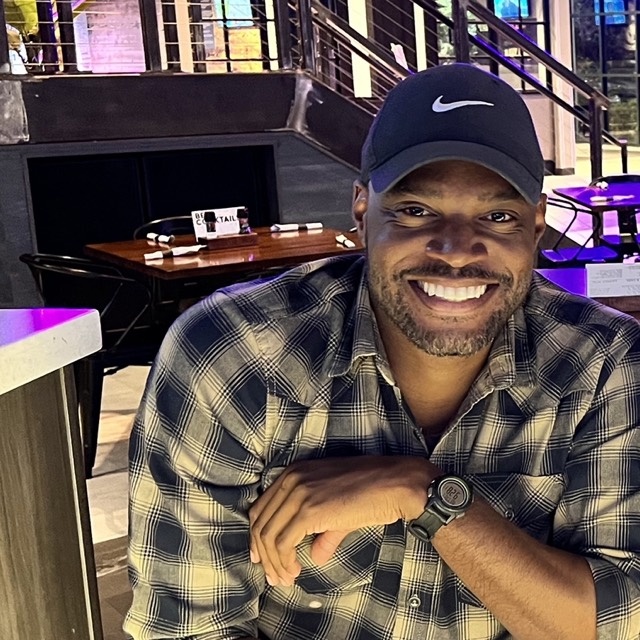
William Lee
I design screens that make software do what you want. I am an AI product designer, which means I work on the interfaces people use to tell a machine what they want and to check what it did. Fourteen years of product design, eight of them on one platform where the wrong call cost somebody real money. I design the work, build it, and test whether it held.
Software has two readers now
For most of those years the only reader was a person. That has changed. A model now reads the same screen on someone's behalf, fills the same form, and acts on what it finds there. It changes what a screen owes whoever is reading it. It has to say what it knows, how sure it is, and what it is about to do, plainly enough that a person can stop it and precisely enough that a model can act on it. That balance, automation that moves fast without quietly taking the decision away from the person, is the problem I want.
Eight years on one product
I spent eight of those years on a real estate analytics platform called BrokerMetrics, carried it through an acquisition when Terradatum was bought by Lone Wolf Technologies, and I am still its design lead. The platform was twenty years old when I led its move to a scalable web product, which meant owning onboarding, account creation, and the migration flows that had to carry two decades of existing customers across without losing them. What happened to the numbers is confidential, so I will describe the work and not claim a figure for it.
Eight years on one product is narrow, and it is worth more than range. Dense data in front of someone who has to make a call under time pressure is a specific problem, and you do not learn what it does to a person by visiting it for a quarter. You learn it watching the same broker, on the same dashboard, defer the same decision for the fourth year running.
Systems, not screens
The other half of that job was the design system holding the dense data and the workflows together, so a new surface inherits its answers instead of inventing them. I do the same work now with Bosko Partners on Saurara, a multi-role survey and analytics platform whose admin, organization, and survey surfaces had drifted apart from each other. Consistency across surfaces is not a tidiness problem. When two surfaces disagree, people stop trusting either one.
I own the whole call
Most designers hand engineering a file. I hand them something that already runs: React, TypeScript, Next.js, Tailwind, Cloudflare Workers, shipped solo. Since 2025 my studio, William Lexen, has shipped native iOS apps, booking platforms, and data tools end to end. Building what I design is what lets me find out whether a decision was right instead of arguing about it, and it is why I wrote Death by a Thousand Decisions, a method for scoring a screen rather than debating it. I have three questions open right now, none of them answered yet, on the case studies. The predictions are written down before the data, and the results go up either way.